
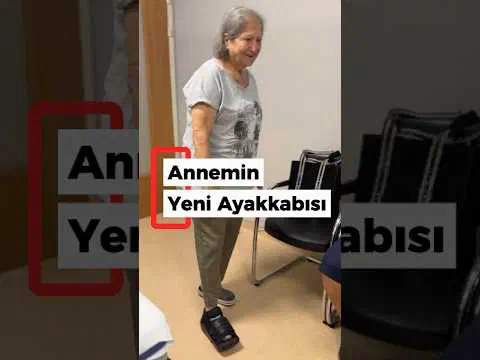
Annemin Yeni Ayakkabısı #DiyabetikAyak #OrtopedikAyakkabı
"Annem neden robot gibi yürüyor?" Bu sorunun cevabı aslında bir iyileşme hikâyesi. …
Watch StoryWe aim to protect your limb through early diagnosis, multidisciplinary assessment and evidence-based care for diabetes-related foot wounds.
Share your situation; our specialist team will contact you as soon as possible.
Apply via form or WhatsApp; your case is prioritised by our specialist team.
Neuropathy, circulation, infection and wound care are addressed together in a personalised plan.
We aim to reduce amputation risk through vascular assessment, debridement, infection control and advanced dressings.
Real patients whose lives changed with the right treatment.
Annemin Yeni Ayakkabısı #DiyabetikAyak #OrtopedikAyakkabı
"Annem neden robot gibi yürüyor?" Bu sorunun cevabı aslında bir iyileşme hikâyesi. …
Watch Story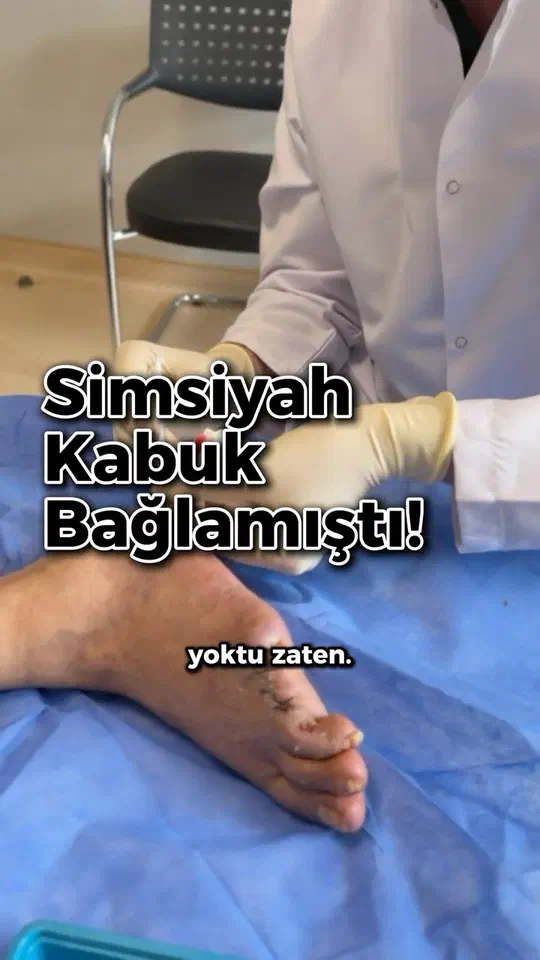
Simsiyah Kabuk Bağlamıştı! #DiyabetikAyak
Bu hastamız ilk geldiğinde ayağındaki yara simsiyah bir kabukla kaplıydı ve oldukça …
Watch Story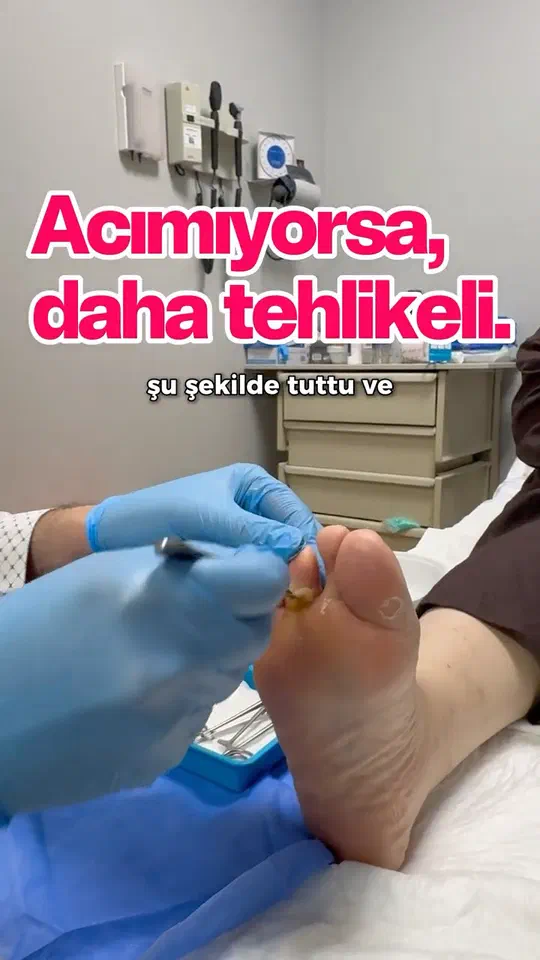
Acımıyorsa, daha tehlikeli! #diyabetikayak
Diyabetik ayakta en tehlikeli şey, çoğu zaman ağrının olmamasıdır. Yüksek kan şekeri …
Watch Story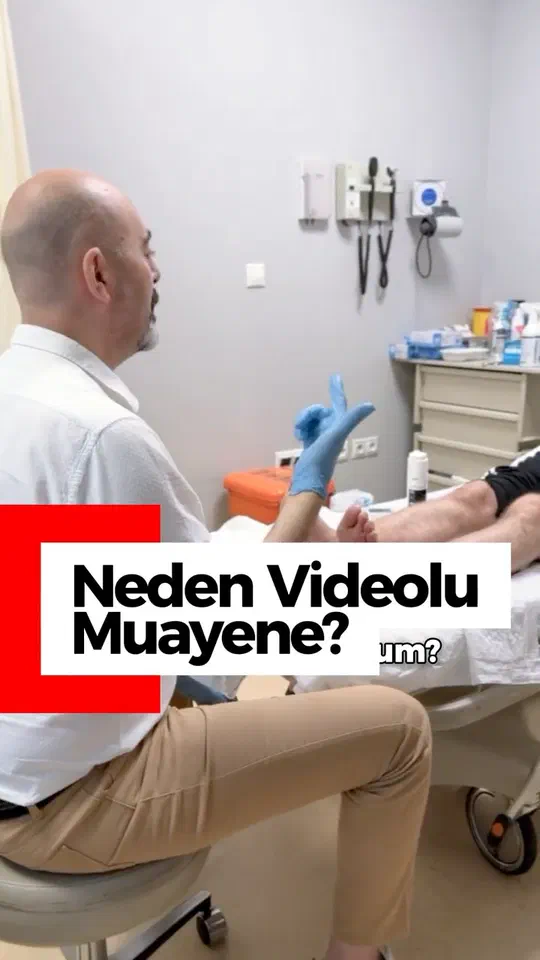
Neden Videolu Muayene? #diyabetikayak
Neden videolu muayene? Çünkü sizi başka bir hekime yönlendirdiğimde “Aytaç Hoca ne dedi?” …
Watch Story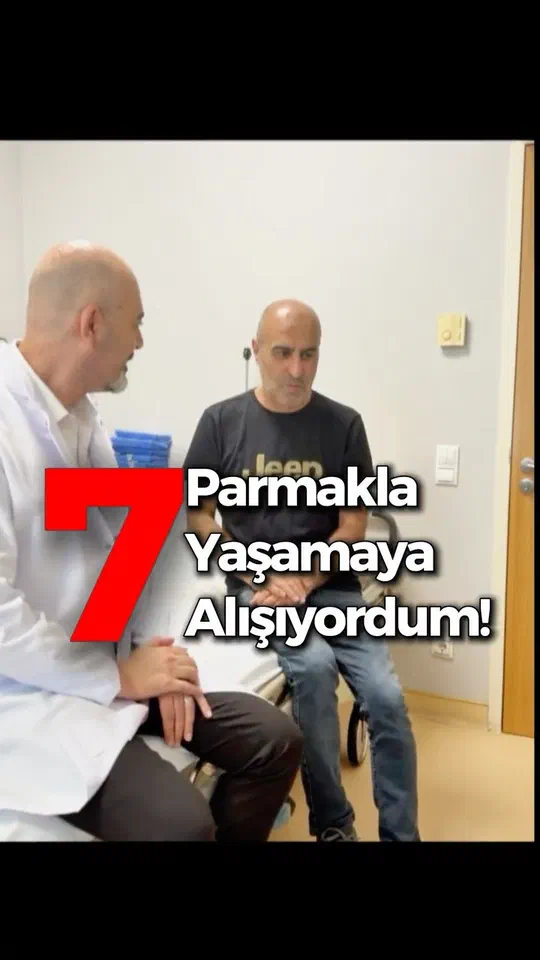
7 parmakla yaşamaya alışıyordum. #diyabetikayak
"Engelli iş ilanlarına bakmaya başlamıştım." Bu cümle, bir hastamızın tedavi öncesindeki …
Watch Story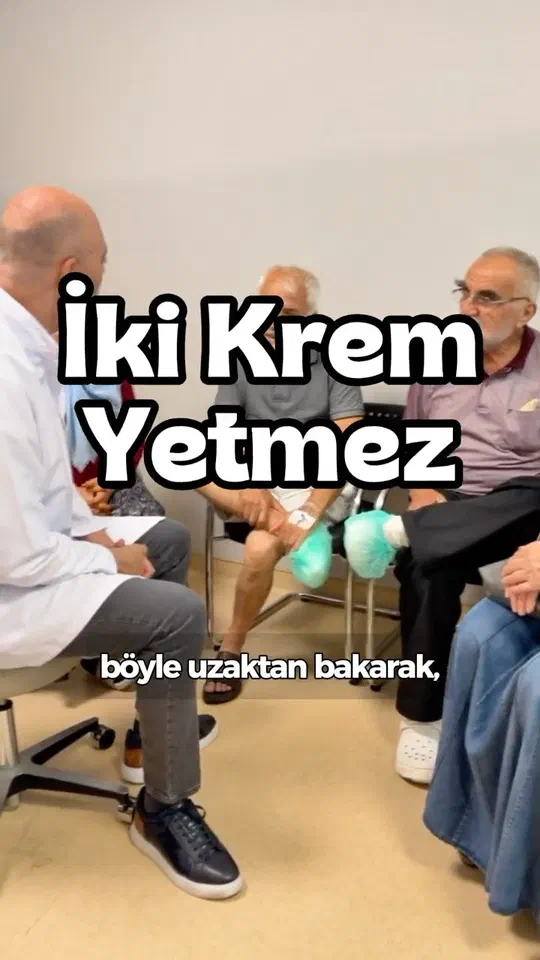
#diyabetikayak iki krem yetmez
İki Krem Yetmez Ayakta geçmeyen bir yara, çoğu zaman sadece bir cilt sorunu değildir. …
Watch Story
“Ayağım Kesilecekti…” Gerçek Hikaye #diyabetikayak
“Diz üstünden kesilecekti… Ben umudu kesmiştim.” Bu bir hikaye değil. Gerçek bir …
Watch Story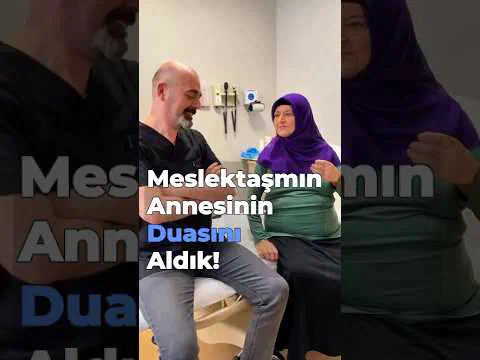
Meslektaşımın Annesinin Duasını Aldık! #diyabetikayak
“Reklam gibi ama değil… gerçekten tavsiye ediyorum.” Bu video planlı değil. Prova yok. …
Watch Story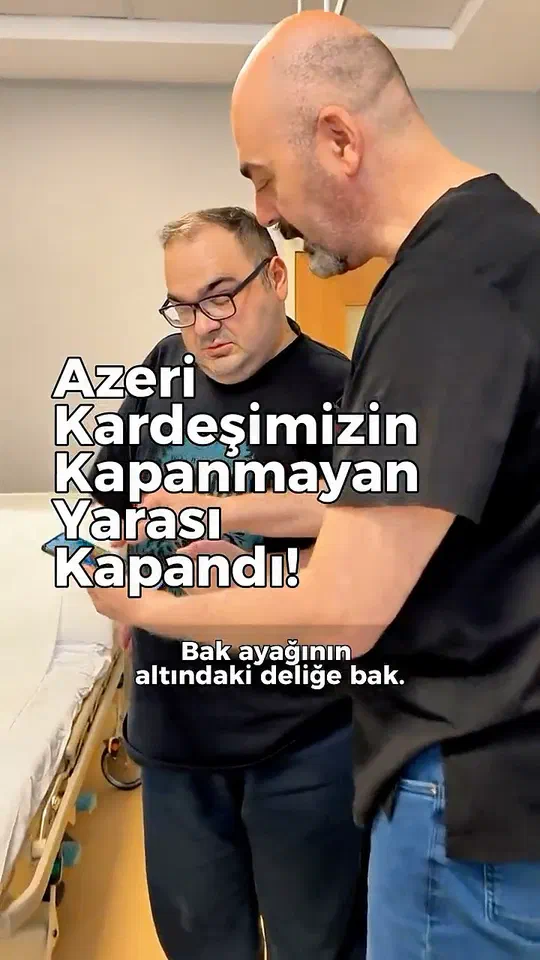
Azeri Kadeşimizin Kapanmayan Yarası Kapandı.
Ayağının altında 1.5 cm’lik bir delik… ve tam 3 yıldır kapanmayan bir yara. Üstelik iğne …
Watch Story
En büyük risk amputasyondu ama... #DiyabetikAyak
Kapanmayacak gibiydi, çok büyüktü ama kapandı! En büyük risk amputasyon, ama doğru bakım …
Watch Story
Keşke Daha Önce Tanışsaydık. #diyabetikayak
Diyabetik ayak tedavisi çoğu zaman sabır, doğru kararlar ve güven gerektirir. Hastamızla …
Watch Story
#diyabetikayak #diabeticfootcare inatlaştık ve kurtadık!
Umudu yoktu… Biz ise diyabetik ayak tedavisine odaklandık. Topuğa kadar ilerleyen …
Watch Story
#diyabetikayak #diabeticfootcare Sözümüzü tutttuk.
👣 Hüseyin Amcamızın ayağı için verdiğimiz sözü tuttuk. Dikişleri alındı, bacağı kurtuldu. …
Watch Story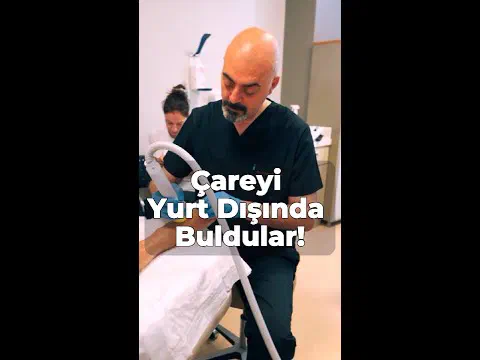
#diyabetikayak Çareyi Yurt Dışında Buldurlar
Diyabetik ayak, yüksek kan şekeri seviyelerinin uzun süreli etkisiyle ayaklarda oluşan …
Watch Story
Ampütasyon Kaderiniz Olmasın! #diyabetikayak
Ampütasyon Kaderiniz Olmasın!Diyabetik ayak, geç kalındığında uzuv kaybına yol açabilir. …
Watch Story
Kapanmayan Yara #DiyabetikAyak
Kapanmayan Yara 👣 Aylar önce geçirdiğimiz başarılı aşil tendon ameliyatının ardından …
Watch Story
🎥 A Doctor Who Changed My Father’s Life 👨⚕️ #diyabetikayak #diabeticfoot #diabeticfootcare
🎥 A Doctor Who Changed My Father’s Life 👨⚕️ 👋 Hi! My name is Ali. My father, Akhil, is a …
Watch Story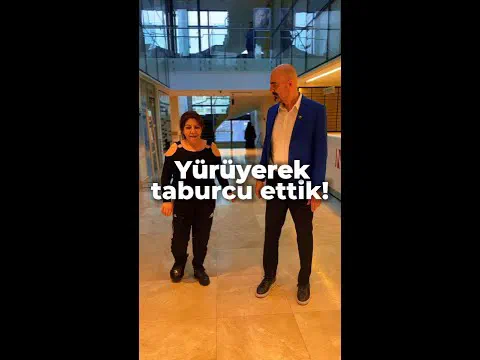
Amputsayona Gerek Kalmadan Taburcu Ettik! #DiyabetikAyak #KronikYaraBakımı #DoçDrAytaçÇetinkaya
Amputsayona Gerek Kalmadan Taburcu Ettik! #DiyabetikAyak #KronikYaraBakımı …
Watch Story
Başarı Hikayesi - 6
⁉️ Diyabetik ayak son yılların en önemli rahatsızlıkları arasında yer alıyor. ℹ️ Kronik …
Watch Story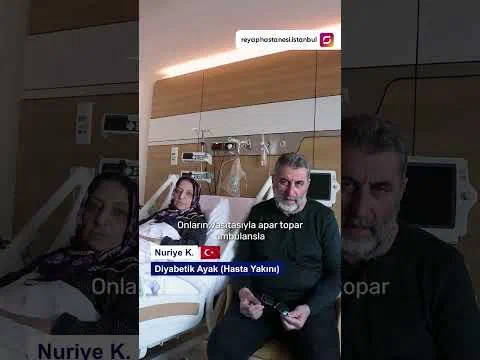
Bahtiyar Bey
Başarı Hikâyeleri: Bahtiyar Beyin annesinin diyabetik ayak rahatsızlığı sebebiyle …
Watch Story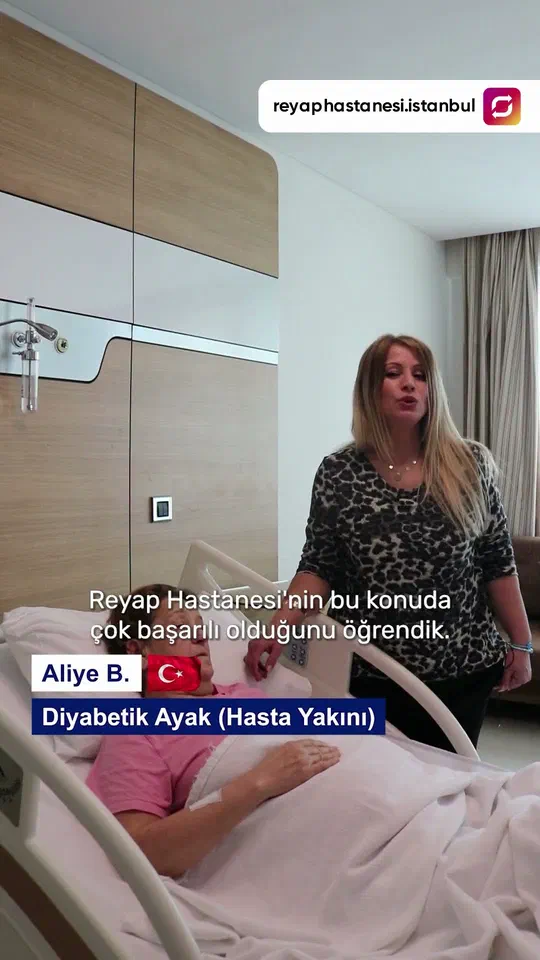
Başarı Hikayesi
Başarı hikâyeleri: Betül Hanım annesinin diyabetik ayak rahatsızlığı sonrasında en son …
Watch Story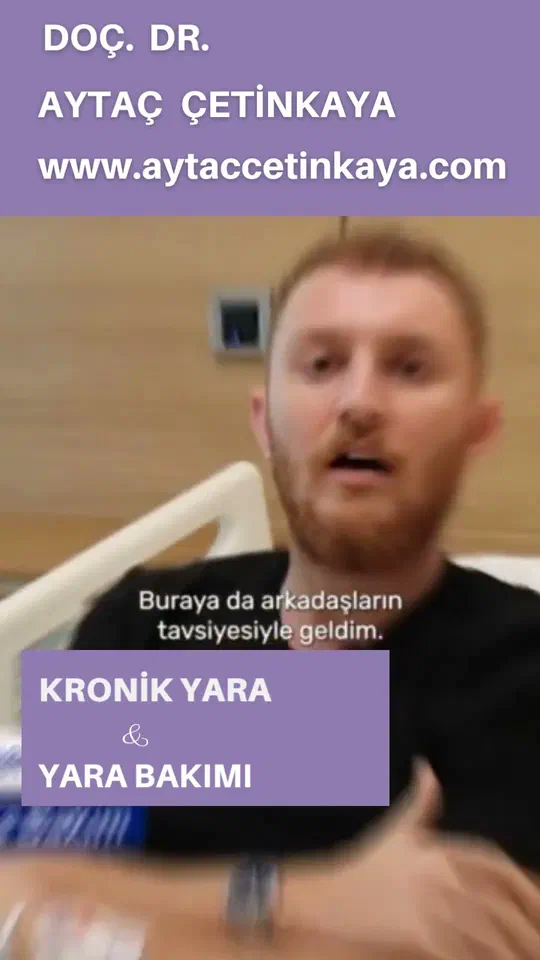
Erhan Çapur
Hastalarımızdan Erhan Çapur, bir iş kazası sonrasında kronik yara bakımı için Doç. Dr. …
Watch Story
Ferda Hanım
Ferda Hanım annesinin diyabet hastası olması ve ayağındaki ödem sonucu oluşan yara …
Watch Story
Fatih Sinan Y.
Diyabetik Ayak Enfeksiyonu & Kronik Yara Bakımı Hastalarımızdan Fatih Sinan Y.'nin Doç. …
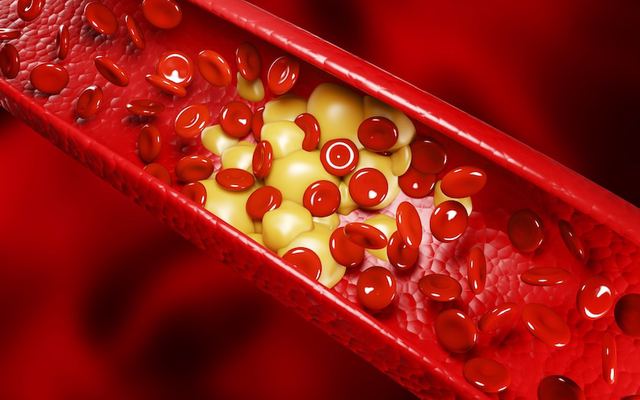
Watch StoryDiabetic foot is a serious complication resulting from damage caused by prolonged high blood sugar to the nerves (neuropathy) and vessels (circulatory disorder) in the feet, potentially progressing with wounds, infection and tissue loss.
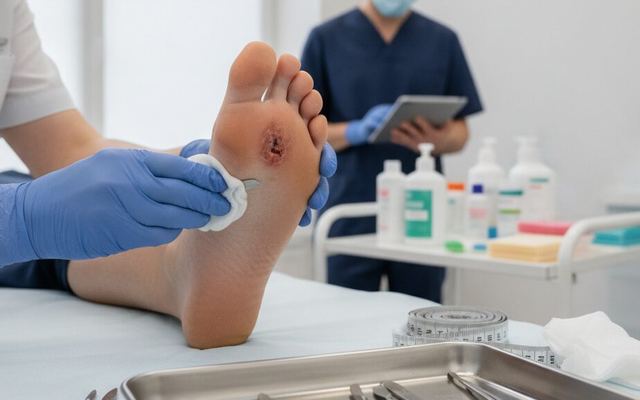
It is one of the leading causes of lower-limb amputation. In most cases the visible ulcer is only the outcome; the underlying drivers are usually neuropathy, ischemia (poor circulation) and infection occurring together. In a foot with numbness and poor blood flow, even a small cut can deepen rapidly.
To understand how diabetes affects the feet, see What happens when diabetes affects the feet?.
Diabetic foot is not caused by a single factor; several mechanisms work together:
Risk increases significantly with:
Diabetic foot does not always start the same way. Common findings include:
Important: Diabetic foot does not always hurt. With neuropathy, a patient may not feel a wound forming — one of the main reasons for late presentation. Early warning signs include redness, increased warmth, cracks on the sole, darkening under the nail or unexpected swelling. Daily foot checks with a mirror are recommended for people with diabetes.
Do not wait if you notice:
Read more about gangrene symptoms and stages.
The following evaluations are performed systematically for every patient. The goal is not only to see the wound but to understand why it is not healing:
| Stage | Definition |
|---|---|
| 0 | At-risk foot, no ulcer |
| 1 | Superficial ulcer |
| 2 | Deep ulcer reaching tendon/capsule |
| 3 | Abscess or osteomyelitis (bone infection) |
| 4 | Localized gangrene |
| 5 | Gangrene of the entire foot |
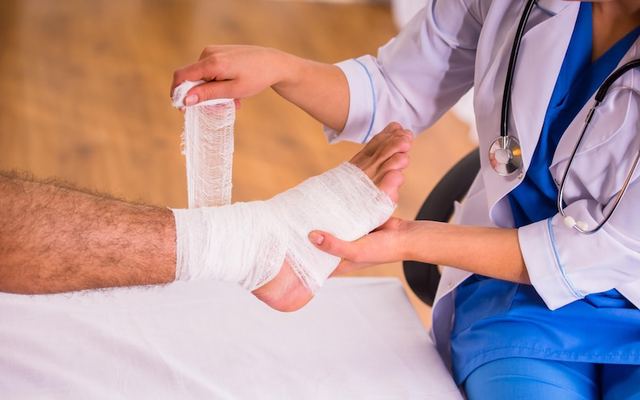
Treatment is planned individually. Healing rarely depends on a single method; success usually requires the right steps in the right order:
These steps are evaluated together within a multidisciplinary approach according to each patient’s overall condition.
Diabetic foot is largely preventable. Daily habits matter as much as treatment:
For steps you can take at home, see our daily prevention guide.
The most critical factor in diabetic foot is time. Early presentation often prevents amputation.
If you suspect diabetic foot, see a specialist without delay. You can share your situation with us to request a free preliminary assessment and second opinion.
Success in diabetic foot care depends on applying the right steps in the right order.
Neuropathy testing, circulation (ABI/Doppler), Wagner staging and infection screening clarify the clinical picture.
Blood sugar control, debridement, antibiotics, revascularization, offloading and advanced wound care when needed.
Regular checks, foot care education and monitoring for recurrence continue after the wound heals.
Modern treatment options planned individually for each patient based on severity.
Holistic planning where endocrinology, vascular surgery, infection and wound care teams work together.
Learn MoreRemoval of dead tissue, advanced dressings and regular follow-up for faster healing.
Learn MoreCulture-based, targeted antibiotic therapy and control of osteomyelitis (bone infection).
Learn MoreSupportive therapy that boosts tissue oxygenation to accelerate healing in selected patients.
Learn MoreReducing pressure on the wound with special shoes, insoles and casts to prevent recurrence.
Learn MoreEarly diagnosis, infection control and limb-saving approaches for diabetes-related foot wounds.
Learn MoreAdvanced dressing, debridement and targeted antibiotic therapy for non-healing chronic wounds.
Learn MoreAssessment of foot circulation, reopening of blocked vessels and improving tissue perfusion.
Learn MoreShare your diabetic foot or chronic wound situation; leave your details for a free preliminary assessment.
Leave your details and our expert team will get back to you as soon as possible.